Description:
This practical and playful course introduces teachers to strategy games and the logic behind them. Through hands-on gameplay, participants explore how two-player games work, how winning strategies are built, and how these ideas can be used to develop problem-solving and logical reasoning skills in the classroom.
In addition, the course provides clear and easy-to-apply methods for organising tournaments — from simple classroom competitions to more complex round-robin or multi-player structures. Participants will work with real examples, learn how to design fair and balanced tournaments, and understand the mathematics behind them in an accessible, teacher-friendly way.
Aims and objectives:
Participants will:
- learn how strategy games work and how to analyse winning positions;
- understand key concepts such as NIM strategy, graph models and Grundy numbers through practical activities;
- gain tools for teaching logical reasoning and problem-solving;
- learn how to organise tournaments in a fair and structured way;
- explore connections between games, combinatorics and classroom applications.
Learning outcomes:
By the end of the course, participants will be able to:
- teach strategy games and guide students in building their own strategies;
- identify winning positions and optimal moves using NIM and Grundy concepts;
- design and run tournaments for different group sizes;
- apply simple combinatorial and graph-theory tools in classroom activities;
- strengthen students’ logical, mathematical and decision-making skills.
Target group:
- High school teachers (mathematics, ICT, science, enrichment programmes).
Minimum level of language: English (B1+)
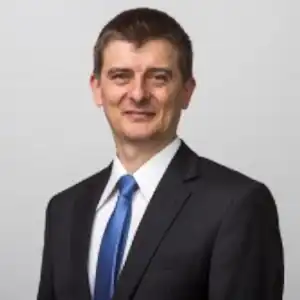
Trainer: Sándor Dobos
Duration of the training: 35 lessons, 7 days
Date:
- 19-25 July 2026 Confirmed
- 18-24 July 2027 Planned
The final confirmation of the course is subject to reaching the minimum number of participants.
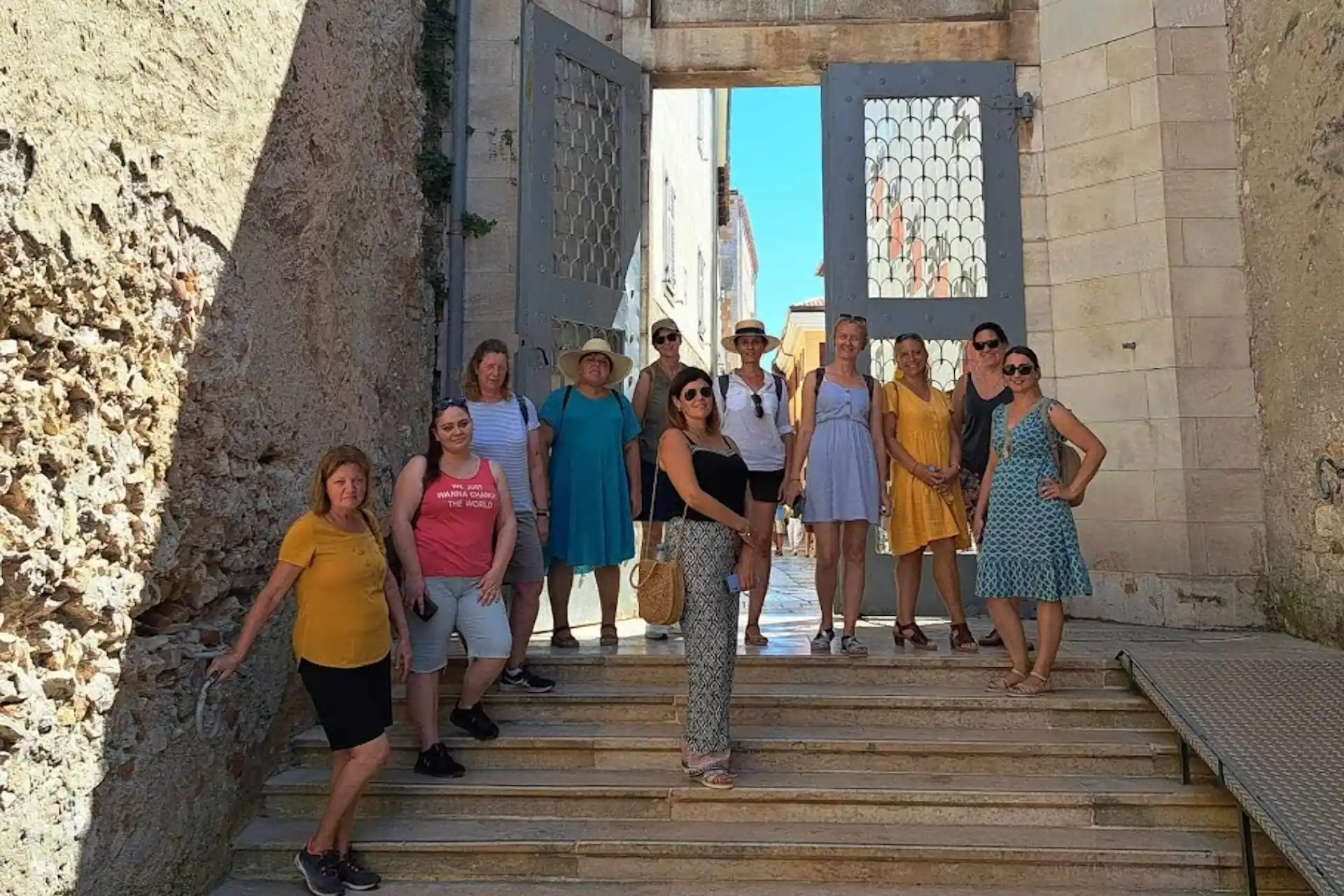
Location: Rovinj, Croatia
Price: EUR 560 + EUR 50 REGISTRATION FEE
This price includes the course, certificate, Erasmus+ documentation (if needed), welcome lunch or dinner, farewell cultural activity
Price is NET . VAT: 0% for organisations with a valid EU VAT number; in all other cases VAT may apply – please contact us for details.
Applicable funds: As part of the Erasmus+ Key Action 1 (KA1), all costs for mobility /travel expenses, course fees, accommodation, subsistence fee/ are covered by the fund.
Planned program
Day 1: Sunday: Arrival, introduction of the course and the location, introduction of the participants
Registration during the day
14.30 – 15.00: Familiarisation with the site, health and safety briefing
15.00 – 17.30: Introduction of the course and trainer, introduction of the participants – 5 minutes for each participant to introduce themselves and their institution and the objectives they wish to achieve by completing the course
18.00 – 19.30: Informal get-together with the course participants over dinner.
Day 2: Monday
- Introduction to games; symmetry games; Wythoff game
Day 3: Tuesday
- NIM strategy, sum of games; Bachet game; divisor game
Day 4: Wednesday
- Graph models of games; tournaments with 3 or 4 participants
Day 5: Thursday
- Grundy numbers; organising classroom competitions
Day 6. Friday
- Applications; connections with Latin squares and combinatorial structures
Day 7: Saturday: End of the course – cultural programme
8.30 – 10.00: What did I learn this week? Preparing for dissemination – 5 minute presentation from each participant
10.00-10.15- Break
10.15-11.00:
- Evaluation and feedback of the course
- Certificates, attendance certificates
- Certificate issue – photography
11.30-16.00: Cultural programme – boat trip
Trainer
Sándor Dobos
Teacher and head of mathematical department
Sándor Dobos is a teacher and the head of the mathematical department of Fazekas High School, Budapest.